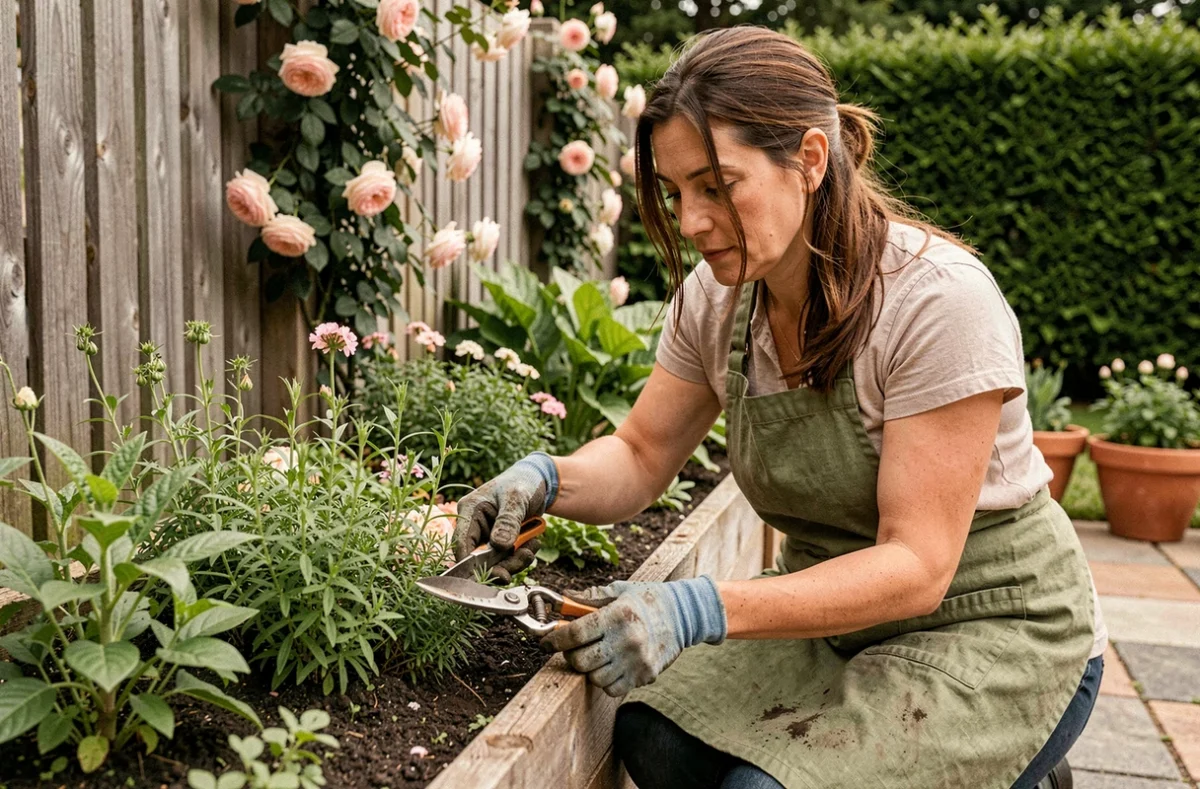
A lawn that turns yellow as early as June, rose bushes infested with aphids, soil as hard as concrete after three weeks without rain: these situations are often resolved with a few targeted actions, applied at the right time. The ten tips that follow cover watering, fertilization, pruning, and soil protection, with a common thread: working with the garden’s biology rather than against it.
1. Check the prefectural order before watering
Have you noticed that water restrictions vary from village to village, even within the same department? Drought measures are local and graduated according to the hydrological zone. A generic watering advice could put you in violation if your municipality is subject to a stricter level of restriction.
The reflex to adopt: check the VigiEau website before scheduling your summer watering sessions. Restrictions change during the season, sometimes several times a month. Adapting your watering schedule to local regulations protects your wallet as much as the water resource.
By discovering various tips for maintaining your garden, you will find that water management consistently comes back as the number one priority.
2. Mulch the soil with garden green waste
After mowing or trimming hedges, the temptation is to throw everything away. These plant residues make for free and effective mulch. Spread a few centimeters around flower beds and at the base of shrubs to limit evaporation, slow down the growth of weeds, and nourish the soil life as they decompose.
Mulching reduces watering and weeding at the same time. Let the clippings dry for a day or two before spreading them to avoid forming a compact crust. Chopped hedge trimmings work even better, as they compact less quickly.
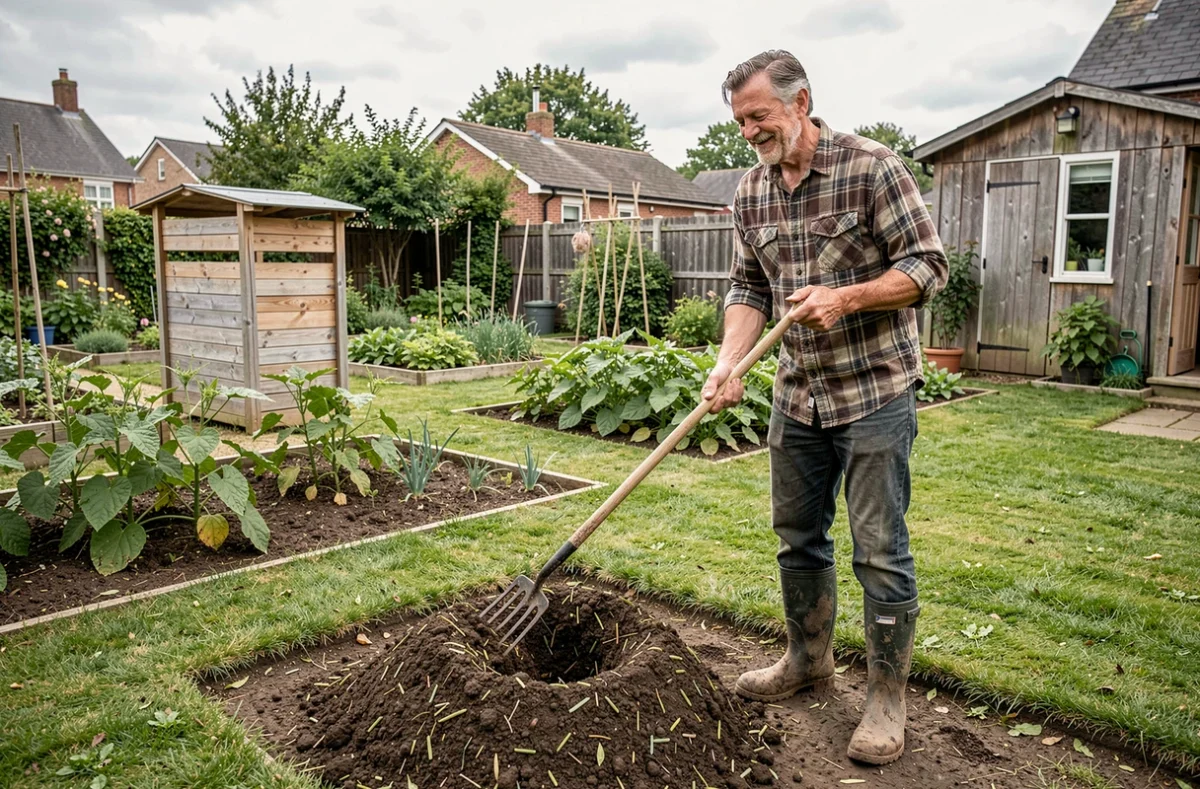
3. Make your own compost to replace chemical fertilizers
Vegetable peels, coffee grounds, eggshells, dead leaves: these organic waste materials, piled in a composter, produce a rich and balanced amendment in a few months. Homemade compost nourishes the soil, not just the plant. It improves soil structure, promotes microorganisms, and increases water retention capacity.
Mix approximately equal parts of wet waste (kitchen) and dry waste (leaves, unprinted cardboard). Turn the pile every three to four weeks to speed up decomposition. Mature compost smells like forest soil, not ammonia.
4. Water at the base and early in the morning
Watering with a hose in full sun loses a considerable amount of water to evaporation. It also wets the foliage, which encourages fungal diseases like downy mildew or powdery mildew.
Two simple rules change the game:
- Water at the base of each plant, directly at soil level, with a watering can, drip irrigation, or a porous hose
- Schedule the session early in the morning, when temperatures are low and evaporation is minimal
- During drought periods, accept that a lawn may yellow: the grass goes dormant and greens up again as soon as the rains return
5. Choose plants suited to the soil and local climate
A drought-resistant plant may not be suitable for your land. Heavy, wet soil in winter can kill a lavender plant that is otherwise known to be robust. The winter cold in your region is just as important as the summer heat when choosing species.
Before buying, check the plant’s hardiness zone and the nature of your soil (clay, sandy, limestone). A well-placed plant requires less watering, less fertilizer, and fewer treatments. This is the most cost-effective tip in the long run.
6. Weed little but often, and always by hand
Pulling weeds when they are young, before they go to seed, avoids the massive chore at the end of the season. Mechanical weeding (hoe, hand weeding) remains the safest method.
Homemade weed killer recipes (white vinegar, salt, cooking water) circulate widely. They burn the contact leaves but do not eliminate the roots: the plant often regrows a few weeks later. These preparations do not necessarily have authorization or validated dosages. It’s better to combine mulching with regular hoeing.
7. Prune hedges and shrubs at the right time
Pruning too late on a spring-flowering shrub removes the flower buds for the following year. Conversely, pruning too early in the fall exposes the cut wounds to frost.
A simple rule: shrubs that flower in spring (forsythia, lilac, spirea) should be pruned just after flowering. Those that bloom in summer (buddleia, panicle hydrangea) should be pruned at the end of winter. For conifer hedges, two passes a year are enough, in June and September.
8. Scarify the lawn once a year
Over time, a layer of moss and plant debris (thatch) accumulates on the surface of the lawn. It prevents water and air from reaching the roots. Scarifying breaks up this thatch and revitalizes the grass.
The best time is early spring, when the grass resumes growth. Use the scarifier in a crisscross pattern, then sow grass seed in sparse areas. Adding fine compost on top speeds up recovery.
9. Collect rainwater for watering
A rainwater collector connected to a downspout provides non-limestone water at room temperature, which plants absorb better than tap water. In summer, this reserve takes over when watering restrictions limit the use of drinking water.
A few precautions:
- Cover the collector to prevent mosquito proliferation
- Filter leaves at the entrance to keep the water clean
- Empty and clean the tank before winter if it is not frost-proof
10. Promote biodiversity to reduce treatments
A garden where ladybugs, lacewings, and hedgehogs find refuge naturally regulates aphid and slug populations. Leaving a corner of the garden a bit wild (tall grasses, wood piles, a few stones) is enough to attract these helpers.
The less you treat, the more natural predators settle in. Insecticides, even those labeled as natural, also eliminate beneficial insects. Prevention (crop rotation in the vegetable garden, plant associations, mulching) remains the most effective strategy for a sustainably healthy green space.
A lush garden does not require daily work, but precise actions at the right time. The essentials boil down to three reflexes: protect the soil, adapt watering to regulations and weather, and let the garden’s biology do part of the work for you.