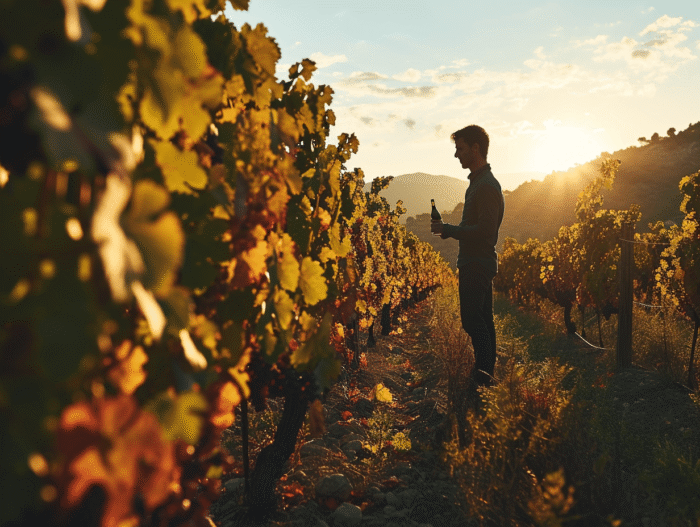
Oenology, the science that studies wine in all its aspects, from grape cultivation to tasting, is a fascinating and complex discipline. It encompasses various knowledge areas such as viticulture, winemaking, and sommellerie. To get started in oenology is to discover the art of recognizing the characteristics of grape varieties, understanding the influence of terroir and production techniques on flavors and aromas, and mastering the etiquette surrounding tasting. This requires a certain sensitivity, but also technical knowledge that enriches the experience of any wine enthusiast wishing to deepen their understanding of this ancient beverage.
The Fundamentals of Oenology: From Vine to Tasting
To understand the basics of oenology, one must begin at the very source of the beverage: the grape variety, this type of grape that determines the essential characteristics of the wine. Each grape variety, thanks to its specific properties and its interaction with the terroir including soil, climate, and cultivation techniques, contributes to the uniqueness of each vintage. Wine, in its diversity, primarily comes in four colors: red, white, rosé, and orange.
The color of the wine is directly influenced by the maceration process, which is the soaking of the grape skins in the juice. For red wine, these skins rich in anthocyanins, pigments responsible for the purple color, are macerated longer, giving the wine its characteristic hue and tannins. In contrast, the production of white wine often avoids this step, pressing the grapes quickly to prevent coloring the juice.
Regarding rosé and orange wines, the maceration techniques vary. Rosé results from a short maceration, sufficient to give a slightly tinted color, while orange wine, less known, comes from white grape varieties whose skins remain in contact with the juice longer than for rosé, thus offering a color and structure closer to that of red wine.
The interaction between these elements, from grape selection to winemaking methods, shapes the profile of the wine. This complex alchemy echoes what is called The Living Web of oenological knowledge, where each factor is interconnected. Take an oenology course to grasp these nuances and elevate your appreciation of wine to a level of expertise.
Deepening Wine Knowledge: Storage, Service, and Pairing
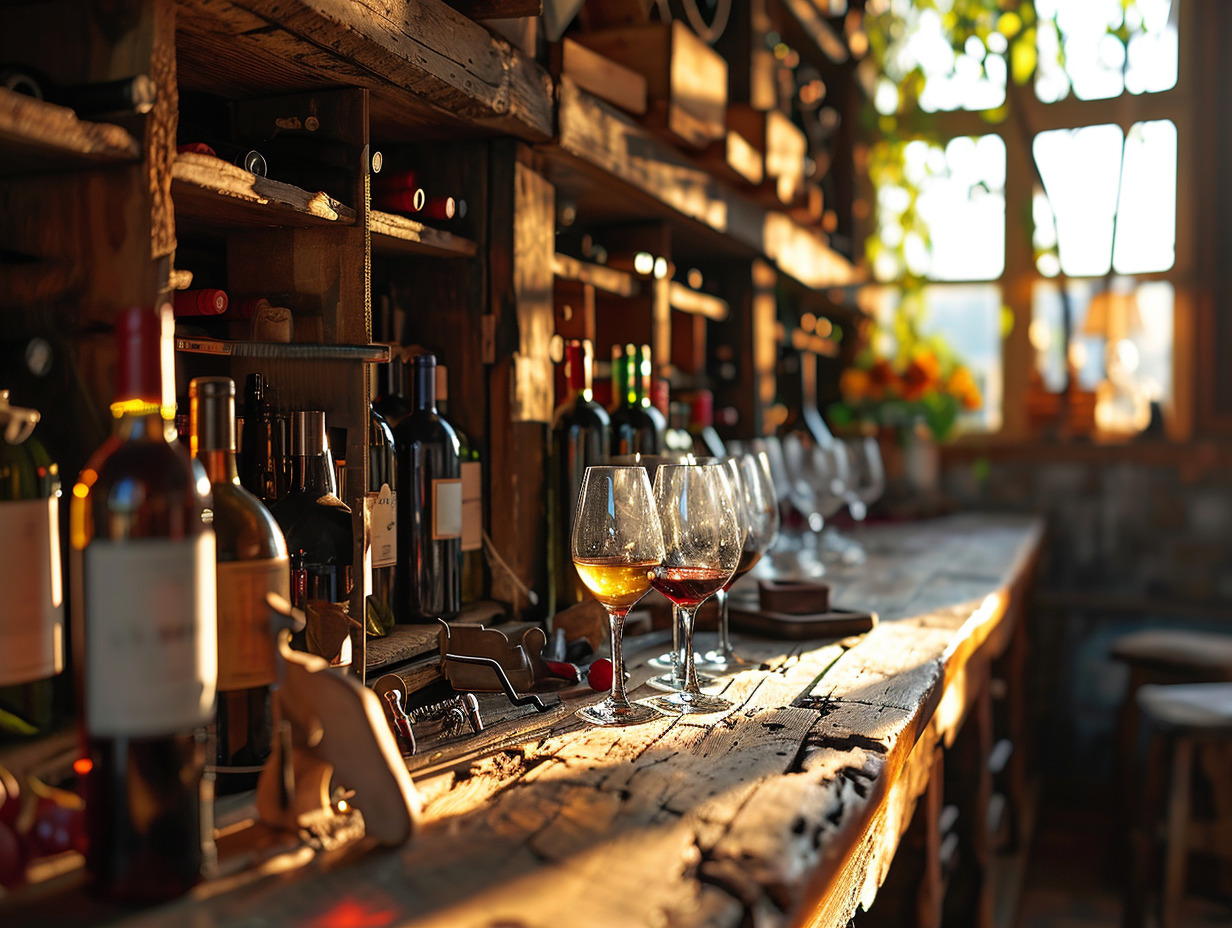
The storage of wine is a science in itself, revolving around the regulation of temperature and humidity. A well-organized wine cellar is essential to maintain the integrity of aromas and the structure of the wine over the long term. Optimal conditions vary according to wine types, but a constant temperature and controlled humidity are universal criteria to avoid premature oxidation and deterioration of corks.
The service of wine is as much an art as a technique, where the serving temperature plays a predominant role in expressing the characteristics of the wine. A red wine that is too warm would lose complexity, while a white wine that is too cold would have its aromatic nuances diminished. Master the ideal temperatures: between 16 and 18°C for reds, 8 to 12°C for whites, and slightly cooler for rosés. A successful wine tasting reveals skills in sommellerie and demonstrates the wine lover’s sensitivity to the subtleties of wine.
The harmony of food and wine pairings is the finishing touch of a complete oenological experience. This subtle balance between the flavors of dishes and the aromas of the wine requires a deep understanding of the impact of ingredients and winemaking methods. Classic rules, such as pairing red wines with red meats, to bolder combinations, like a dry white wine with hard cheese, the exploration of combinations is an infinite realm of discoveries.