
Adding a conservatory to a home is an exciting venture that requires meticulous preparation. It is an extension that promises to transform the living space by bringing in light and openness to the outdoors. Before embarking on this project, it is crucial to consider several aspects: from design to execution, each step deserves special attention. This includes the choice of materials, compliance with urban planning regulations, thermal and acoustic insulation, as well as harmony with the existing architecture. Expert advice will help avoid pitfalls and ensure the success of this beautiful expansion.
From Design to Execution: Crucial Steps for Your Conservatory
The realization of a conservatory, this additional living space that increases your usable area, begins with a thoughtful design. Consult the local urban planning plan (PLU) to understand the applicable rules and ensure you submit a prior declaration of works to the town hall. This administrative prerequisite is fundamental: every conservatory requires municipal authorization. An architect can be engaged for the design of your project, providing a balance between aesthetics and functionality. Make sure that the plans respect both your aspirations and the technical constraints.
Once the administrative green light is obtained, the transition from idea to materialization is organized. Plan for masonry work for the foundations, ensuring the stability of the structure, and consider earthworks, necessary to prepare the ground. A construction company is often essential to carry out this work accurately. At the same time, detailed quotes will be provided to assess the costs and specifications of your extension. Be sure to include in these evaluations ancillary work such as electricity, essential for appropriate power supply to your new space.
The manufacturing stage follows, with a timeframe that can extend from 8 to 15 weeks. This is where specialized brands like La Petite Déco can intervene for custom finishes, adding a unique touch to your conservatory. An installer will then take the final measurements before proceeding with the installation, which generally takes 2 to 3 days. A qualified electrician will ensure the electrical installation complies with current standards. The final measurement ensures precise adjustment, thus guaranteeing harmony between your home and the new conservatory.
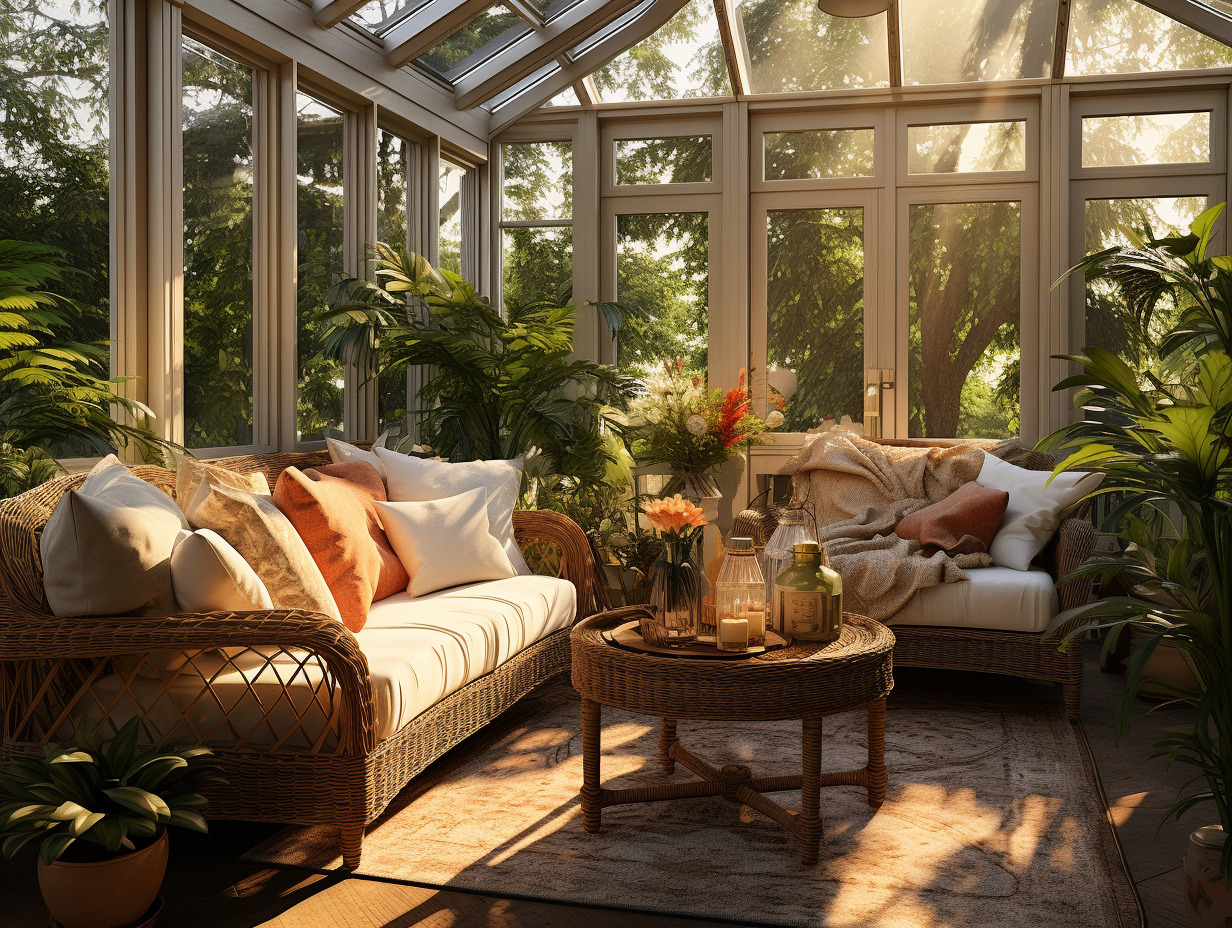
Choice of Materials and Finishes: Tips for a Custom Conservatory
The selection of materials is one of the fundamental decisions in the construction of a conservatory. Choose between wood, which brings warmth and authenticity, and aluminum, known for its durability and ease of maintenance. Energy performance should guide your choice: good thermal insulation is crucial for optimal comfort year-round. Consider sound insulation, especially if your environment is prone to noise.
Also think about the flooring that will complement the interior design of your conservatory. Tiles offer durability and ease of cleaning, while hardwood will add a touch of elegance and warmth. These materials should be chosen based on the intended use of your conservatory and exposure to humidity and temperature variations.
Heating plays a vital role in enjoying a comfortable space during the colder months. Solutions range from electric radiators to underfloor heating, including heat pumps. Controlled mechanical ventilation (VMC) is also recommended to ensure consistent air quality and prevent condensation.
Conservatory blinds are accessories not to be overlooked. They protect against solar radiation and add a significant aesthetic touch. Specialists like Rénoval or AKENA can advise you on the best options for a harmonious integration of these elements into your custom conservatory.