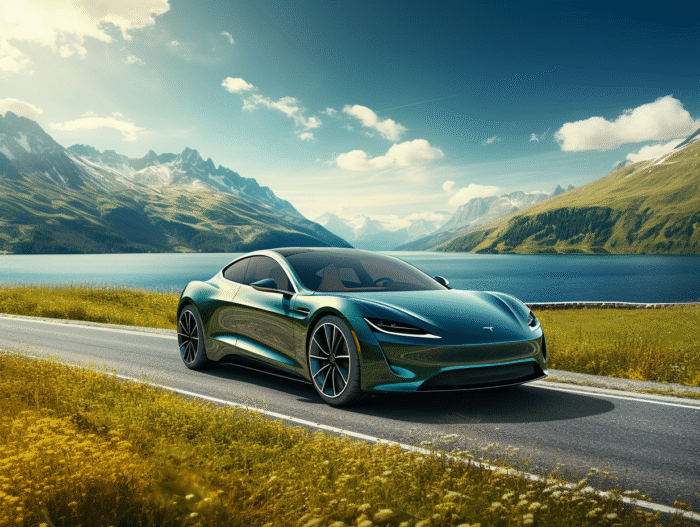
At a time when the climate crisis weighs heavily on the collective conscience, the automotive industry stands at a crossroads. Hybrid cars are emerging as a compromise solution, blending the power of traditional combustion engines with the energy efficiency of electric motors. This mix aims to reduce the carbon footprint while meeting drivers’ performance expectations. Manufacturers are doubling their ingenuity to optimize these vehicles, striving to make them as appealing as their fully thermal or electric counterparts, thus catering to a clientele concerned about their environmental impact without sacrificing the joy of driving.
Hybrid Cars: Balancing Performance and Environmental Preservation
Hybrid cars are now establishing themselves as key players in the automotive market, skillfully juggling performance and ecology. These vehicles, merging a hybrid electric system with a gasoline or diesel thermal engine, are designed to achieve significant fuel savings and to lead to a significant reduction in CO2 emissions. Motorists, aware of their impact on the environment, are increasingly turning to these solutions, which allow them to reconcile their mobility requirements with their desire to protect the environment.
The range of types of hybrid vehicles extends from micro-hybrids to plug-in hybrids, including mild-hybrids and full-hybrids. Each of these types offers different levels of hybridization, allowing consumers to choose the vehicle that best meets their daily needs and budget. The plug-in hybrid, for example, promises greater electric range, favoring urban trips without emissions, while the full-hybrid stands out for its ability to switch between propulsion modes for optimal efficiency.
The hybrid market is also adapting to initiatives such as Shop Mania, where consumers looking for the best deal can benefit from detailed comparisons and advice on purchasing these environmentally friendly vehicles. Indeed, the hybrid car offers notable fuel savings and actively contributes to the reduction of CO2 emissions, thus addressing environmental concerns without neglecting the appeal of technology and performance.
At the heart of this green revolution, the hybrid car is not an end in itself, but rather a step towards a future where transport would be completely decarbonized. Manufacturers are constantly innovating, seeking the perfect balance between ecological imperatives and driver expectations. Indeed, these hybrid vehicles symbolize a transition in motion, leaving a lighter and more thoughtful footprint on minds and roads.
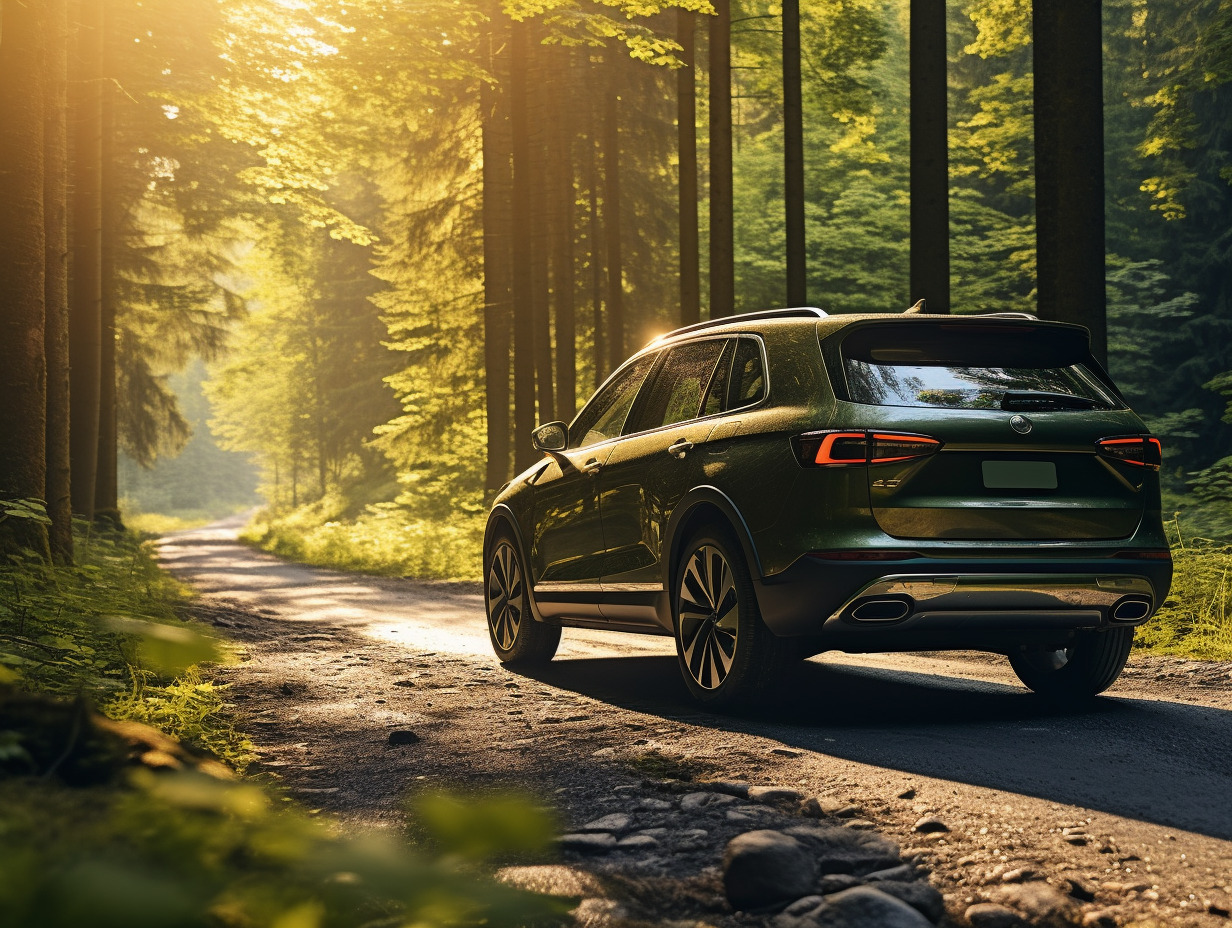
The Challenges and Future of Hybrid Technology in the Automotive Industry
Hybrid technology is experiencing growing success in the automotive industry, particularly encouraged by tax incentives from governments and regional authorities. However, the massive adoption of this technology is fraught with obstacles. The charging infrastructure, while improving, remains insufficient to meet the expectations of drivers of plug-in hybrid vehicles. Manufacturers, such as Fiat with its BSG system, must persevere in innovation to overcome these challenges and optimize the energy efficiency of their models.
Extended-range electric vehicles (E-REVs) represent a logical evolution of classic hybrids. These cars, primarily powered by an electric unit, have an internal combustion engine that kicks in to generate additional energy. This combination offers an intermediate solution before the transition to a fully electrified vehicle fleet, while maintaining the driving pleasure associated with traditional engines.
From an ecological standpoint, the reduction of pollutant emissions remains the central promise of hybrid vehicles. By choosing the optimal operating mode according to the trip profile, these vehicles adapt to minimize their environmental impact. Continuous energy optimization is therefore crucial to realize the ecological benefits initially envisioned by this technology.
The automotive market is evolving rapidly, and hybrid vehicles are set to play an increasingly important role in Europe. Manufacturers must anticipate consumer expectations and increasingly stringent environmental standards. The future of hybrid technology will depend on its ability to integrate new innovations, enhance the user experience, and contribute significantly to the energy transition of the automotive industry.