
Navigating the world of parcel shipping can sometimes be complex, especially when it comes to understanding the restrictions imposed by different courier services. The maximum weight and dimensions allowed for parcel shipping are key factors to consider to avoid any inconvenience. Whether you are an individual occasionally sending gifts to loved ones or a business regularly shipping products to customers, you need to be aware of these limits. Here is a comprehensive guide to help you understand the maximum weight and dimension parameters in the field of parcel shipping.
Parcel Shipping: The Basics to Know
When preparing a shipment with colis-chronopost, be sure to adhere to the established weight restrictions. Indeed, each courier service has its own limits to ensure efficient and secure delivery. For colis-chronopost, for example, the maximum allowed weight varies depending on the chosen shipping method. For standard delivery, the weight must not exceed 30 kilograms, while for express options, the limit can reach 60 kilograms.
It is important to mention that some services may impose additional restrictions for certain types of fragile or bulky items. In this case, it is recommended to consult the specific conditions provided by colis-chronopost to ensure that your shipment meets all requirements.
By adhering to these weight limitations when shipping with colis-chronopost, you will avoid any potential issues and ensure that your package is handled under the best possible conditions until it reaches its final destination.
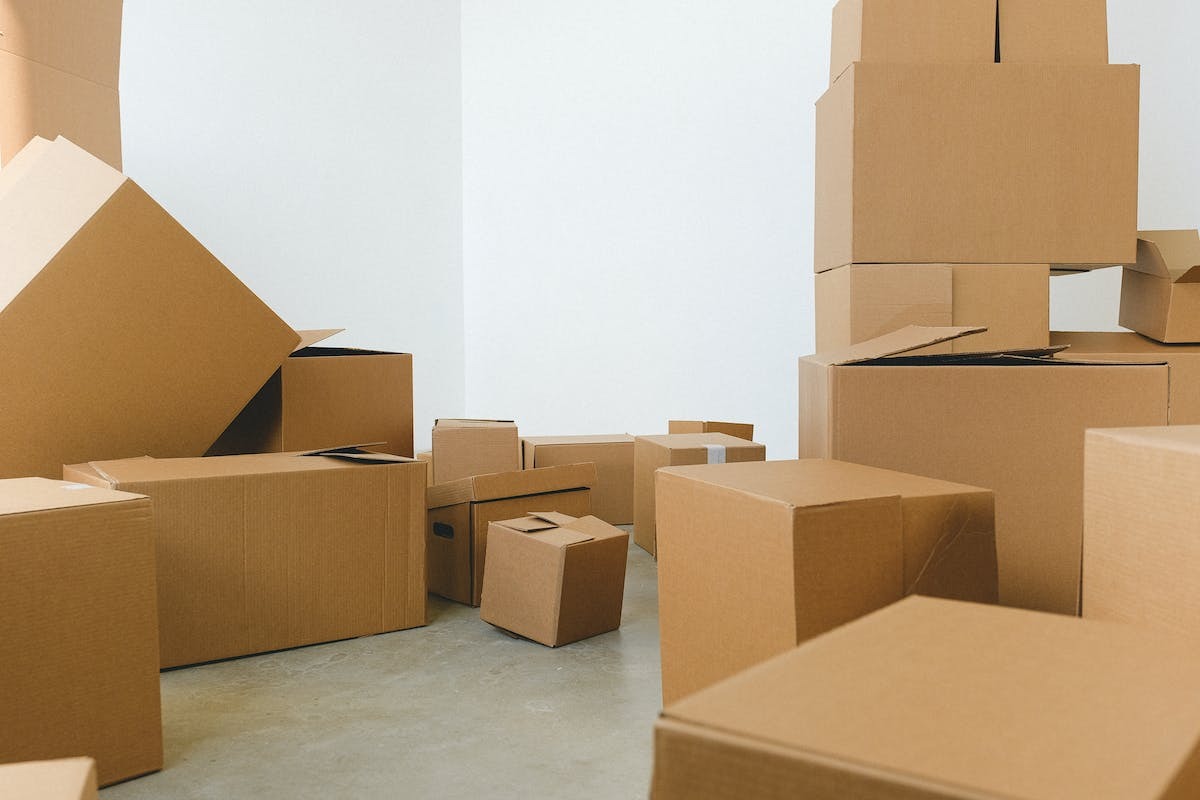
Weight Restrictions: What You Need to Know for Your Shipments
When preparing a parcel for shipping, be sure to take into account the maximum allowed dimensions. Indeed, each carrier has its own size limitations to ensure smooth handling and transport.
For Colis-chronopost, the maximum required dimensions vary depending on the chosen shipping method. For standard delivery, the length must not exceed 200 centimeters, while the sum of the three sides must not exceed 300 centimeters. For express shipping, these measurements are slightly more generous with a limit of 250 centimeters for length and 400 centimeters for the sum of the three sides.
Maximum Dimensions: The Limits for Your Parcels
When it comes to shipping a parcel, several transport modes are available. Each has its specificities and advantages.
We have the shipping mode by land. This means of transport is often preferred for national or regional shipments. It offers great flexibility and allows for relatively short delivery times. Parcels can be transported by truck, train, or utility vehicle.
Then there is the shipping mode by sea. This is particularly suitable for long-distance international shipments. Parcels can be loaded into containers that will then be shipped on cargo ships. This mode of transport is generally more economical, but delivery times are longer due to the distance traveled.
Another possible shipping mode is by air. This is the ideal solution for urgent shipments requiring fast international or intercontinental delivery. The carrier uses cargo planes to transport parcels to their final destination.
There is also the shipping mode by rail, which can be chosen according to the specific needs of the parcel recipient. This can be advantageous when the destination is in a country with a well-developed rail network, thus allowing for better logistical efficiency.
Each shipping mode has its own advantages and disadvantages depending on the destination, weight, and dimensions of the parcel, as well as the desired delivery times. Be sure to choose the shipping mode that best meets your needs to ensure optimal and smooth delivery.
Parcel shipping can be done through various transport modes such as land, sea, air, or rail.
Shipping Modes: Which Choice for Which Need
The guidelines for effectively packing a parcel are essential to ensure a smooth shipping process. A meticulous preparation is necessary to guarantee that your contents arrive intact at their destination.
Choose a quality packing material that offers adequate protection against shocks and damage. Opt for sturdy and durable boxes that are suitable for the size of your parcel. Avoid using damaged or overly worn boxes, as they may not provide sufficient protection.
Before placing your items in the box, ensure that they are properly packed individually. Use bubble wrap, plastic film, or newspaper to wrap each item separately. This will help reduce the risk of collision between items during transport.
To prevent any excessive movement inside the box, it is important to fill the empty spaces well. Use materials such as polystyrene flakes or foam particles to fill all voids and thus prevent any unwanted movement during transport.
Once you have placed all your items in the box and filled the empty spaces, close it carefully. Be sure to use strong tape to seal all openings. Feel free to reinforce further with a few extra bands for added security.
It is important to indicate the sender and recipient. Use labels or write directly on the box with a permanent marker. Ensure that the information is legible and easy to spot.
Before handing your parcel over to the carrier, consider taking out appropriate insurance to cover any potential damage during transport. This will give you peace of mind in case of any issues during delivery.
Following these essential guidelines will ensure that your parcel is properly prepared and protected for shipping. By taking the necessary time to pack your items well, you significantly increase their chances of arriving intact at their destination, providing a positive experience for both the sender and the recipient.
Parcel Packing: The Rules for Optimal Protection
Parcel shipping can sometimes incur high costs, which can weigh on the budget. Fortunately, there are a few simple yet effective tips to save on shipping costs and thus optimize your expenses.
Choosing the right carrier is crucial. Compare the rates offered by different delivery companies to identify the one that provides the best prices based on the size and weight of your parcel. Some carriers also offer discounts or affiliate programs that can help you save even more.
Another tip is to consolidate multiple shipments. If you have several parcels to send to the same destination, it may be more financially advantageous to group them into a single shipment rather than sending them individually. Not only does this reduce the total cost, but it also allows for better logistical management.
Also, consider optimizing the packaging to minimize the volumetric weight of the parcel. Use boxes that fit the exact dimensions of the contents to avoid any unnecessary empty space. Judicious use of less bulky materials such as kraft paper instead of polystyrene will also help reduce the total weight of the parcel.
An additional strategy to save on shipping costs is to negotiate with your provider. If you are a regular shipper, it is possible to discuss with your logistics service provider to obtain preferential rates or special packages based on shipping volume. A strong business relationship can often lead to some flexibility in pricing.
Saving on Shipping Costs: Tips to Know
The choice of shipping mode can also significantly impact costs. Express shipments may be more expensive, but they offer fast and reliable delivery. If speed is not a priority, opt for standard delivery services that are generally less costly.
Be sure to take into account the weight and dimensions of your parcel when shipping. Indeed, some carriers apply rates based on volumetric weight, which is the volume occupied by the parcel in their truck. If your parcel is large but light, you will likely pay more than if you had chosen a smaller, more compact box.
To avoid any unpleasant surprises at the time of shipping, be sure to calculate online to accurately estimate shipping costs even before preparing the parcel. This will give you a clear idea of the costs you will face and possibly readjust your expectations or logistical choices.
Keep in mind that effective return management can also help reduce shipping expenses. Implement a simplified process to facilitate the retrieval of items returned by your customers. This not only improves their experience but also saves on costs incurred by frequent returns.
By following these simple yet wise tips, you can optimize your shipping expenses while providing quality service to your customers. Don’t hesitate to stay informed about market developments and new logistical solutions that can help you save even more on shipping costs.