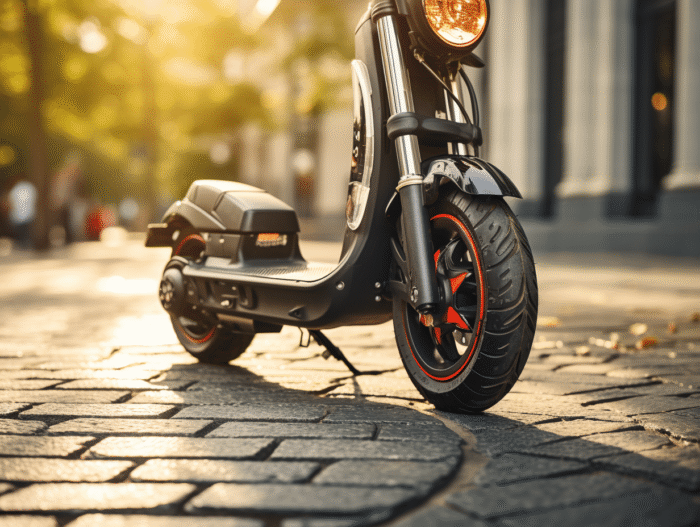
Optimizing the performance of an electric scooter can depend on multiple factors, but one often underestimated aspect is tire pressure. Proper pressure is fundamental, as it directly influences battery range, riding comfort, and tire wear. Over-inflated or under-inflated tires can lead to rapid degradation, increase rolling resistance, and reduce grip, jeopardizing user safety. Regular monitoring and adjustment of tire pressure are therefore essential to maintain the optimal performance of the device.
The impact of tire pressure on the performance of the electric scooter
Tire pressure plays a crucial role in the handling and braking of an electric scooter. Inadequate pressure exposes users to an increased risk of punctures, potentially putting them in danger. Indeed, under-inflated tires can sag and increase the contact surface with the ground, causing excessive friction that reduces not only speed but also battery range. Conversely, excessive pressure decreases the contact surface, which can lead to a loss of grip, especially on wet or uneven surfaces.
Combining safety and efficiency therefore requires strictly adhering to the recommended pressure for a Xiaomi scooter’s tires or any other brand. This pressure, measured in bar or psi, should be adjusted according to the manufacturer’s recommendations, riding conditions, and the rider’s weight. Consider these variables to avoid inconveniences ranging from premature tire wear to mechanical failure during a ride.
The performance of an electric scooter is inseparable from careful management of tire pressure, which also affects the device’s lifespan. View this maintenance not as a chore but as an investment in the longevity of your mode of transport. Regular checks and timely adjustments are necessary to ensure a riding experience that is both enjoyable and safe while preserving the energy efficiency of your scooter.
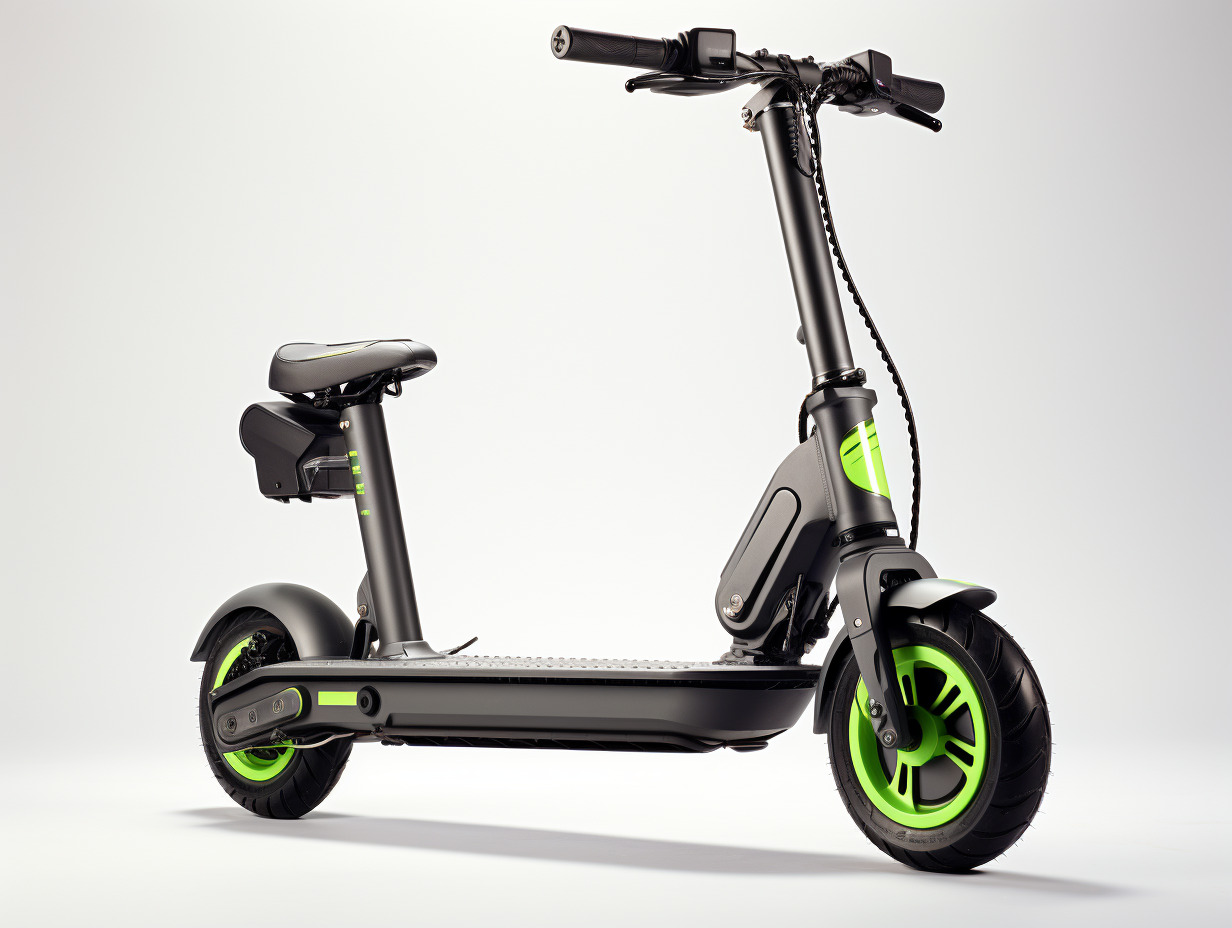
Practical tips for maintaining ideal tire pressure
The inflation of your electric scooter’s tires should not be left to chance. For this task, using a pressure gauge is essential. This tool allows for precise measurement of pressure, which should be checked regularly, ideally before each use, and adjusted according to the manufacturer’s recommendations. The frequency of this check increases with the intensity of scooter use. Keep in mind that temperature variations can also affect tire pressure. Be attentive to weather changes and adjust the pressure accordingly.
As for regular maintenance of the electric scooter, it includes cleaning the device, checking tire pressure, and inspecting the brakes. These preventive actions contribute to optimal functioning and increased safety. Do not neglect these steps; they help preserve your mode of transportation’s capabilities and anticipate potential repairs.
A comprehensive revision of the scooter should not be overlooked. It ensures not only safety but also the optimal performance of your device. During these revisions, beyond tire pressure, the condition of the battery, brakes, lights, and other major components should be examined. A complete revision by a professional is recommended at least once a year or according to the miles traveled, whichever comes first.
For those looking for a less demanding solution regarding inflation, solid tires represent a relevant alternative. Although these tires offer increased durability and do not require inflation, they may affect riding comfort and shock absorption. Before choosing a solid tire, weigh the pros and cons against your riding style and the terrains you frequently traverse.