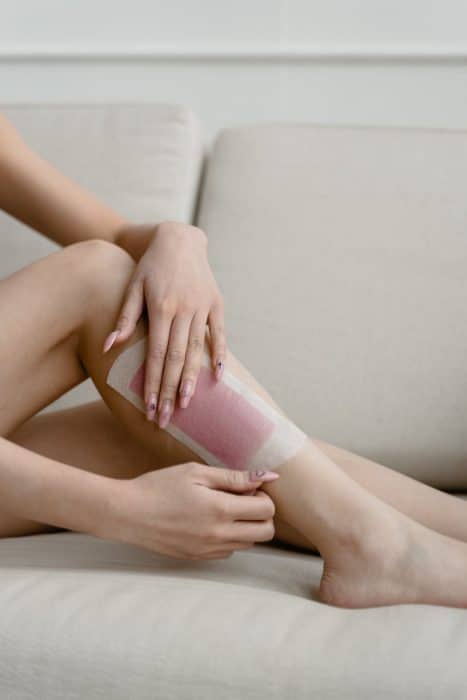
Did you accidentally drop some waxing wax on your favorite garment? Don’t panic! It’s an unfortunate mishap that can happen to anyone. There are effective tips to remove this wax without damaging the fabric. Whether your garment is made of cotton, linen, or silk, it is possible to remove the wax residues without leaving any marks. It is essential to act carefully to avoid worsening the situation. Here are some tips for effectively removing waxing wax from your clothes without having to throw them away or take them to a professional cleaner.
Avoiding wax stains on clothes: an essential preamble
Preamble to waxing wax on clothes: Removing waxing wax stains from clothing
When practicing waxing, you need to know how to act quickly and effectively to prevent these stains from becoming permanent. First of all, you must identify the type of fabric on which the wax has settled, as well as the temperature of the wax.
To remove a cold wax stain from a delicate garment like cashmere or silk, several methods are recommended. You can place the garment in the freezer for a few hours so that the wax hardens and detaches more easily from the fabric. Once this operation is done, you can use a flat utensil like a spatula to gently scrape off the remaining residues. If necessary, you can also use an iron set to a low temperature (without steam) to transfer the last residues onto an absorbent paper.
However, if you have unfortunately spilled hot wax on a sturdy fabric such as denim or polyester, there are different techniques that can be used with caution. One of them involves taking some absorbent sheets like kraft paper or even newspaper and placing them on the still-hot wax stain. Using an iron set to a low temperature (without steam), you will gently heat the absorbent paper to melt the wax, which will then be absorbed by it.
Once you have removed most of the wax, there may still be traces or residues left on your garment. To treat these remaining stains, several tips should be considered. If the fabric can withstand water and chemicals, you can use a specific stain remover or a solution of isopropyl alcohol to remove these stubborn residues. Conversely, if your garment is delicate and requires a gentler cleaning, you can try using a small amount of dish soap or neutral soap diluted in warm water to gently blot the stains until they disappear completely.
You need to take a few precautions to avoid any accidents with the wax during the waxing process. First of all, make sure your clothes are properly fitted and not dragging near the area where you practice waxing. Also, use a clean towel or sheet to protect your skin and avoid any direct contact between it and the hot drops from the spatula during the wax application.
By carefully following these practical tips, you will be able to effectively remove waxing wax from your clothes without damaging them. Remember to always test any method on a small area of the fabric beforehand to avoid any additional risk.
Waxing wax on clothes: identifying the fabric and the appropriate temperature
After identifying the type of fabric and the temperature of the wax, make sure to know the different methods to effectively remove these stubborn stains.
To start, if you notice a wax stain on a cotton or linen garment, for example, you can opt for the freezer method. Place the garment in a plastic bag and put it in the freezer for a few hours. The wax will harden and detach more easily from the fabric. Gently use a flat spatula to scrape off the remaining residues.
If the wax has spilled on a wool or acrylic garment, it is recommended to use the iron technique. Place an absorbent sheet like kraft paper or even newspaper over the stained area. Set your iron to a low temperature (without steam) and gently apply it over the absorbent paper. The heat will melt the wax, which will then be absorbed by the paper.
If you have unfortunately dropped hot wax on a delicate garment such as silk or satin, handle with care! Allow it to cool completely before acting to avoid any additional risk. Gently scrape the residues with a flat spatula without damaging the fragile fibers of the fabric.
It may happen that despite all precautions taken, wax residues remain on the fabric. In this case, you can use a specific stain remover to eliminate these stubborn traces. Choose a product suitable for the type of fabric concerned and carefully follow the manufacturer’s instructions.
Another alternative is to use a solution of isopropyl alcohol diluted in warm water to gently blot the remaining stains. This method is particularly effective for removing wax from polyester or nylon garments.
Remember to always test any method on a small, inconspicuous area of the fabric to avoid any risk of further damage. If in doubt, do not hesitate to consult a professional cleaner who will know how to effectively treat the stain without damaging your garment.
By following these practical tips and correctly identifying the type of fabric and the temperature of the wax used, you will be able to easily remove unwanted stains from your clothes. Remember that prompt action also plays a crucial role in the success of the wax stain removal process.
Cold wax on delicate fabrics: how to effectively get rid of it
When it comes to removing cold wax from delicate fabrics, it is essential to proceed with caution to avoid damaging the fragile fibers of the fabric. Here are some effective methods to eliminate these unwanted stains.
The first method involves using a plastic bag and an iron. Place the plastic bag over the stained area and gently apply the iron set to a low temperature. The heat will melt the wax, which will then be absorbed by the plastic bag. Be careful not to apply excessive pressure to avoid spreading the wax further on the fabric.
Another popular method is using a freezer. Carefully wrap the garment in an airtight plastic bag and place it in the freezer for several hours or even overnight. Once the wax has hardened, gently remove it with your fingers or use a flat spatula to scrape off the remaining residues.
For more delicate garments like silk or satin, it is best to treat wax stains immediately after they appear to prevent them from penetrating deeply into the fabric fibers. To do this, place a piece of blotting paper or an absorbent paper towel under and over the affected area, then gently blot with a clean cloth soaked in 90° alcohol. Be careful not to rub vigorously to avoid damaging the fabric.
If despite all your efforts, wax residues persist on the delicate garment, you can use a specific stain remover suitable for the type of fabric concerned. Be sure to read the manufacturer’s instructions before using it, and remember to test the stain remover on a small discreet area of the garment to avoid any undesirable alteration.
There are also natural methods you can try to remove cold wax from delicate fabrics. For example, mix a tablespoon of cornstarch with a few drops of water until you obtain a thick paste. Apply this paste to the stain and let it sit for about 15 minutes. Use a clean cloth to gently remove the paste along with the wax residues.
By following these different methods suitable for fragile textiles and acting quickly after the stains appear, you will be able to effectively remove cold wax without damaging your precious delicate garments. Feel free to experiment with these tips while always keeping in mind the necessary caution when handling chemical or thermal products near the fabric to avoid any potential damage.
Hot wax on sturdy fabrics: effective techniques
When it comes to getting rid of hot wax on sturdy fabrics such as denim, leather, or canvas garments, you need to use appropriate techniques to avoid damaging these robust materials. Here are some effective tips for removing unwanted wax from these types of fabrics.
The first method involves using a piece of ice wrapped in a clean cloth. Gently apply the cold cloth to the area where the hot wax is located and let it sit for a few minutes. The low temperature will cause the wax to harden, making it easier to remove later.
Another commonly used technique is to use a hairdryer set to a low or medium temperature. Gently direct the stream of warm air toward the affected area while gently scraping with a spatula or a non-sharp object to gradually detach the wax from the sturdy fabric.
If you have a solid tealight candle, you can also try this alternative method. Carefully place the rounded end of the tealight against the excess wax and gently twist it so that it can penetrate the fibers of the fabric without causing any major damage.
Leather garments require special attention when it comes to removing unwanted traces of hot wax. Using a soft, clean cloth soaked in a small amount of white vinegar can help dissolve the wax without altering the leather’s finish. However, be sure to use this method sparingly to avoid risking damage to the leather.
Another effective solution is to spray a little isopropyl alcohol on a clean, lint-free cloth, then gently blot the stained area until the wax is completely removed. Remember to test the alcohol on a discreet part of the fabric beforehand to ensure there will be no adverse reaction.
If despite all these methods, wax residues persist on your sturdy garment, you may consider using a specific stain remover suitable for the type of fabric concerned. Carefully follow the manufacturer’s instructions and always perform a preliminary test on a small, inconspicuous area of the garment to avoid any undesirable alteration.
By using these appropriate techniques based on the specific characteristics of different types of sturdy fabrics, you will be able to effectively and quickly eliminate unpleasant traces of hot wax without compromising the integrity or aesthetic appearance of your precious garments. Feel free to experiment with these methods while remaining vigilant to avoid any mistakes that could cause further damage to the sturdy materials.
Persistent wax stains: our tips for eliminating them permanently
When it comes to getting rid of the last stubborn wax stains that persist on your clothes, there are a few additional tips to consider. For delicate fabrics like silk or wool, it is recommended to use a gentler method to avoid damaging the fragile fibers.
An effective technique involves using an iron and absorbent paper. Place the absorbent paper on the stained area and gently run the hot iron over it. The heat will slightly melt the remaining wax, allowing the absorbent paper to easily absorb it. Be careful not to apply the iron directly to the fabric without protection to avoid any risk of burning or deterioration.
For white or light-colored garments, you can also try this simple trick: dampen a clean cloth with diluted hydrogen peroxide and gently blot the stain until it completely disappears. The hydrogen peroxide will act as a natural bleaching agent while removing the unwanted wax.
In some cases, when all previous methods have failed, it may be necessary to consult dry cleaning professionals to treat the persistent wax residues in your clothes. Experts have the necessary equipment and know the appropriate chemicals to effectively eliminate these stains without causing further damage.
You should remember that prevention is always the best solution. When you are waxing, be sure to protect your clothes by covering them with a towel or an old cloth. Try to avoid any direct contact between the hot wax and your clothes to minimize the risk of unwanted stains.
Removing wax stains from clothes can be a real challenge, but with these practical tips tailored to different types of sturdy fabrics as well as delicate textiles, you will be able to restore the impeccable and clean appearance of your favorite garments. Be patient, methodical, and do not hesitate to use natural products or consult cleaning professionals if necessary.