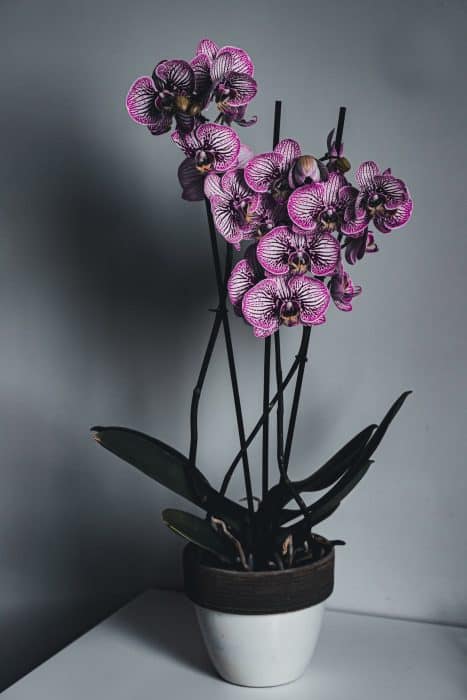
Orchids, with their exotic beauty and diversity of colors, are jewels in the world of houseplants. However, their care can pose a challenge for many owners. Despite their delicate appearance, these plants require special attention to remain in a state of continuous blooming. If you are struggling to keep your orchid healthy or are looking for ways to improve its blooming cycle, you are in the right place. Here, you will discover five essential tips, ranging from watering care to lighting advice, that will help you keep your orchid blooming all year round.
The orchid: a fascinating plant with specific needs
In the quest to understand how to keep an orchid, ideal light conditions play a crucial role. Poor lighting can compromise not only blooming but also the overall health of your plant. Here are some tips to help you optimize light exposure.
The orchid is a plant native to tropical regions, accustomed to beneficial warmth and indirect sunlight. To mimic these conditions in your home or on your balcony, choose a location where daylight easily reaches the orchid without being direct. Ideally, place it near a north or east-facing window to receive enough soft light for at least six hours a day.
Be wary of direct sunlight that can scorch the delicate and fragile leaves of the orchid, especially during hot periods. If you notice that the leaves are turning yellow or showing brown spots, it is a sign that your orchid is receiving too much direct sunlight.
In winter, when days are short and light is low—which is not ideal for blooming your orchids—consider using LED grow lights as an alternative solution to artificially illuminate your plants in a natural complement.
Although not all orchid species require the same level of lighting, these main points remain quite universal when it comes to keeping an orchid at home.
Always remember that the secret lies in balance: neither too little nor too much, as both a deficit and an excess of light would negatively impact its growth and blooming.
To conclude this section on ‘how to keep an orchid’, we emphasize again how crucial it is to adapt them to their new environment; this is also an integral part of the successful conservation process.
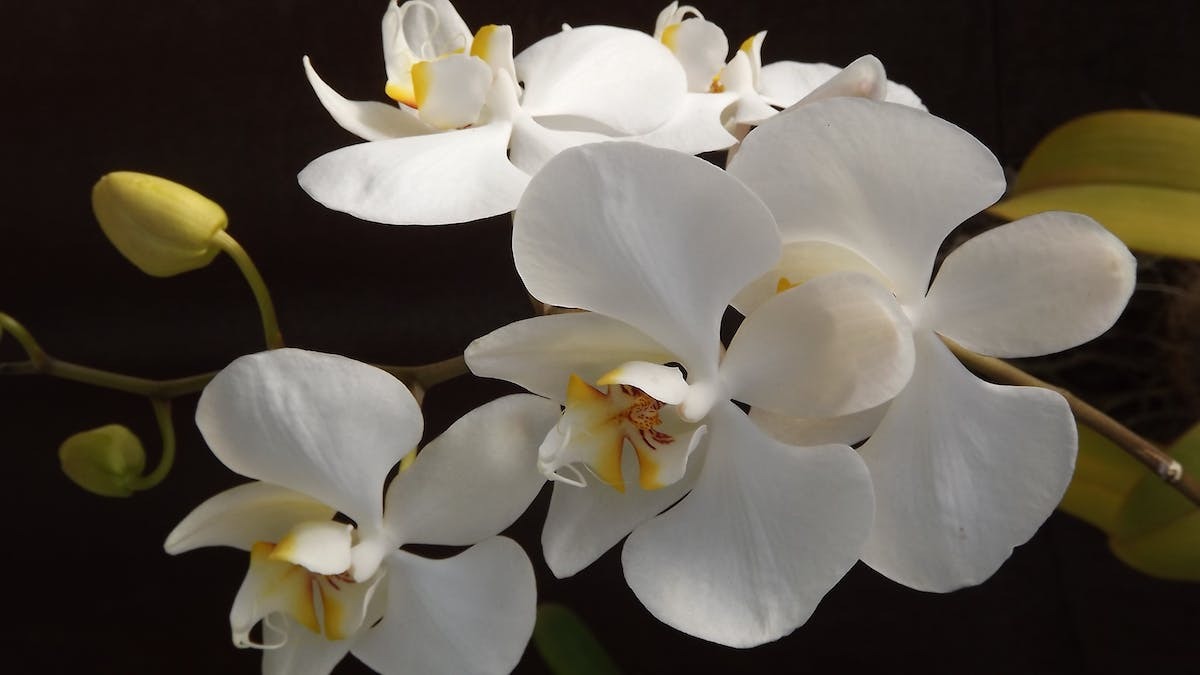
Ideal lighting conditions for abundant blooming
In the world of orchids, hydration plays an essential role in ensuring the health and beauty of these delicate plants. Balanced hydration is crucial to prevent problems such as wilting, yellowing, or even root rot. Here are some valuable tips to maintain optimal hydration for your orchid.
You must wisely choose the appropriate watering method for your plant. Orchids generally prefer a higher ambient humidity than other common plants. It is therefore recommended to use a fine mist spray to diffuse a light mist over your plants. This simple gesture helps slightly increase the humidity around the leaves and thus promotes their good health.
Regarding the water used to water your orchids, it is imperative to consider certain crucial parameters: first, always prefer soft water over hard or chlorinated water. The latter can damage the fragile roots and hinder their ability to absorb the necessary nutrients for their development.
Another essential tip for maintaining adequate hydration is to carefully observe the frequency and amount of water given to the orchids. Generally, it is recommended to water when the substrate begins to dry slightly between waterings, but be careful not to wait too long to avoid water stress. During hot or dry periods, an increase in watering frequency may be necessary.
A crucial point often overlooked is drainage. Indeed, stagnant water in the pot can lead to root rot and thus compromise the health of your orchid. It is therefore essential to use a well-aerated substrate that allows excess water to drain easily from the pot while retaining the necessary moisture.
Balanced hydration for your orchid’s health
When it comes to promoting the growth of roots and stems of your orchid, you need to pay special attention to certain key aspects. Here are some valuable tips to maximize the development of these vital parts of the plant.
Choose a pot suitable for the current size of your orchid. A pot that is too large can lead to excessive water retention around the roots, exposing them to the risk of rot. Instead, opt for a pot that is slightly smaller than the one in which you purchased your orchid to allow for good drainage and adequate aeration of the substrate.
Speaking of substrate, it is best to use a specific mix designed for orchids. These mixes typically include elements such as bark or coconut fiber, which provide good aeration and allow the roots to develop freely.
Tips to promote root and stem growth
When your orchid enters its resting period, you need to adjust the care for your exotic plant.
Gradually reduce watering when you notice that the flowers begin to wilt or when the growth of roots slows down. During this resting period, the orchid needs less water as its metabolism slows down. However, be careful not to let the substrate dry out completely to maintain some moisture to preserve the roots.
Regarding light exposure, move your orchid to a slightly less bright location during its resting period. However, avoid dark environments and ensure it still receives a sufficient amount of indirect light. This will allow the plant to replenish its energy reserves without being overly stressed by intense brightness.
Proper ventilation is also crucial during the resting period. Ensure that air circulates freely around the leaves and avoid any excessive accumulation of stagnant moisture around the roots and foliage. Good air circulation will not only promote healthy root development but also help prevent unwanted fungal diseases.
During this crucial phase of the vegetative cycle, it is recommended not to fertilize your orchid. The plant needs time to rest and restore its natural balance. Adding fertilizer can lead to excessive growth stimulation, which could harm the overall health of the orchid.
Be patient! Rest is an essential step in the life cycle of orchids. By following these simple yet important tips, you will provide your plant with the ideal conditions to regenerate and bloom with even more brilliance when it enters its next active phase.
Caring for an orchid during its resting period requires some specific adjustments. Gradually reduce watering, adjust light exposure, and ensure adequate ventilation while avoiding any excessive fertilization.
Special care for the orchid’s resting period
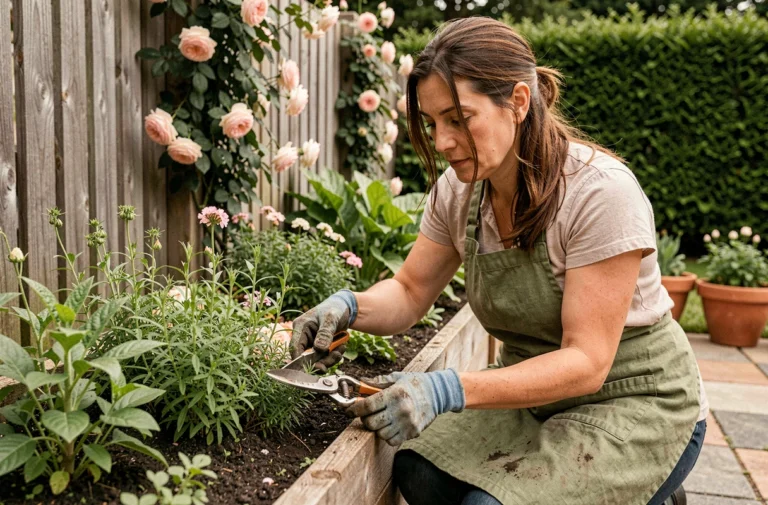
The proper pruning of stems and leaves of an orchid is crucial to promote its healthy growth. When you notice parts of the plant that appear dead or damaged, it is recommended to prune them carefully using a sharp and clean tool. Be sure to cut just above the node, where a new shoot may eventually emerge.
In addition to regular pruning, be sure to detect any potential signs of disease or infestation. Chemical insecticides can be harmful to these sensitive plants, so if you spot pests such as mealybugs or spider mites, prefer a natural treatment instead. Certainly, diluted black soap in water will be effective in exterminating these pests without compromising the overall health of your orchid.
The choice of the right pot also plays a crucial role in successfully maintaining a blooming orchid. Opt for transparent pots that allow for better observation of the roots and their exposure to light. It is preferable to use a substrate specifically designed for orchids, such as epiphytic bark, which provides good aeration to the roots and thus prevents excessive moisture retention.
Be attentive to the seasons. Temperature and humidity variations throughout the year can influence the growth and blooming of orchids. Be sure to follow the seasons closely. For example, during the colder months, you can place your orchid near a window so it can benefit from soft natural light while limiting its exposure to cold drafts.
Maintaining a blooming orchid requires special attention and a few simple yet essential tips. Regular pruning of damaged parts, natural pest control, choosing the right pot, and adapting to the different seasons are all actions that will allow your exotic plant to thrive fully in your home or on your balcony.
In a future article, we will address the issue of repotting as well as the nutrients necessary to promote the overall health of your precious orchid.