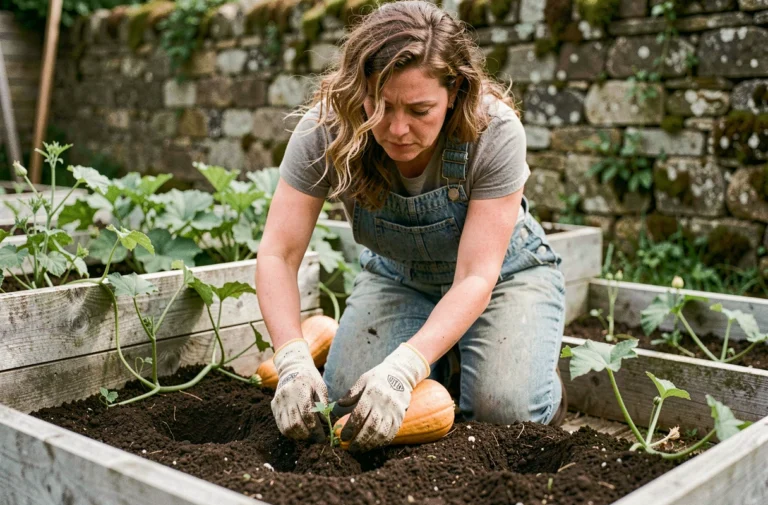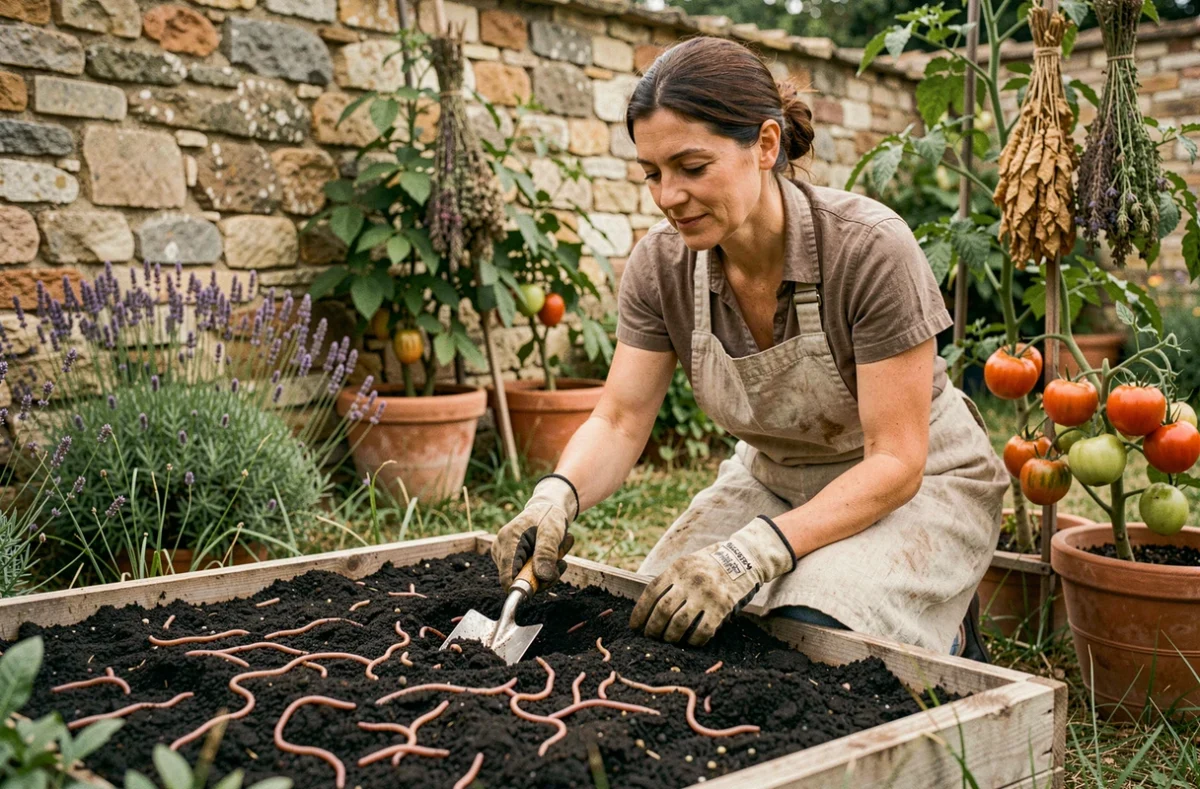
Whether on a shared plot in Île-de-France or in a community garden in Lyon, the same question comes up every autumn: is the compost supplied by the local authority really suitable for the crops already growing there?
Since separate food-waste collection became widespread, the amount of locally produced compost has increased, but the quality of what ends up in garden beds still varies considerably. Natural gardening and healthy soils are about more than simply rejecting chemical fertilisers: they require knowing what you add to the soil, and why.
Compost from local collection schemes: what really arrives at the community garden
When a community garden receives municipal compost, people often assume it is ready to use. In practice, separating food waste at source does not guarantee that local composting is complete. Many local authorities send food waste to industrial facilities, where maturation conditions vary.
The result: compost that may be immature, still warm, or contain plastic residue from incorrectly sorted bags. Spread directly on a vegetable garden, immature compost can burn roots and disrupt the soil’s microbial life.
Before using compost, check a few simple indicators to assess its quality:
- Smell: mature compost smells like forest soil, never ammonia or vinegar. A sour smell indicates incomplete fermentation.
- Texture: the material should be crumbly and fine. Undecomposed wood fragments larger than two centimetres indicate that the compost has not matured enough.
- Temperature: push your hand into the centre of the pile. If it feels warm, the process is not complete and you should wait several weeks before spreading it.
- Visible contaminants: fragments of plastic, glass or metal. Compost that looks “clean” is not necessarily free of microplastics, but visible debris is an immediate warning sign.
Following Terrre d’Humus news shows that the quality of local compost is a recurring topic in feedback from community gardeners.
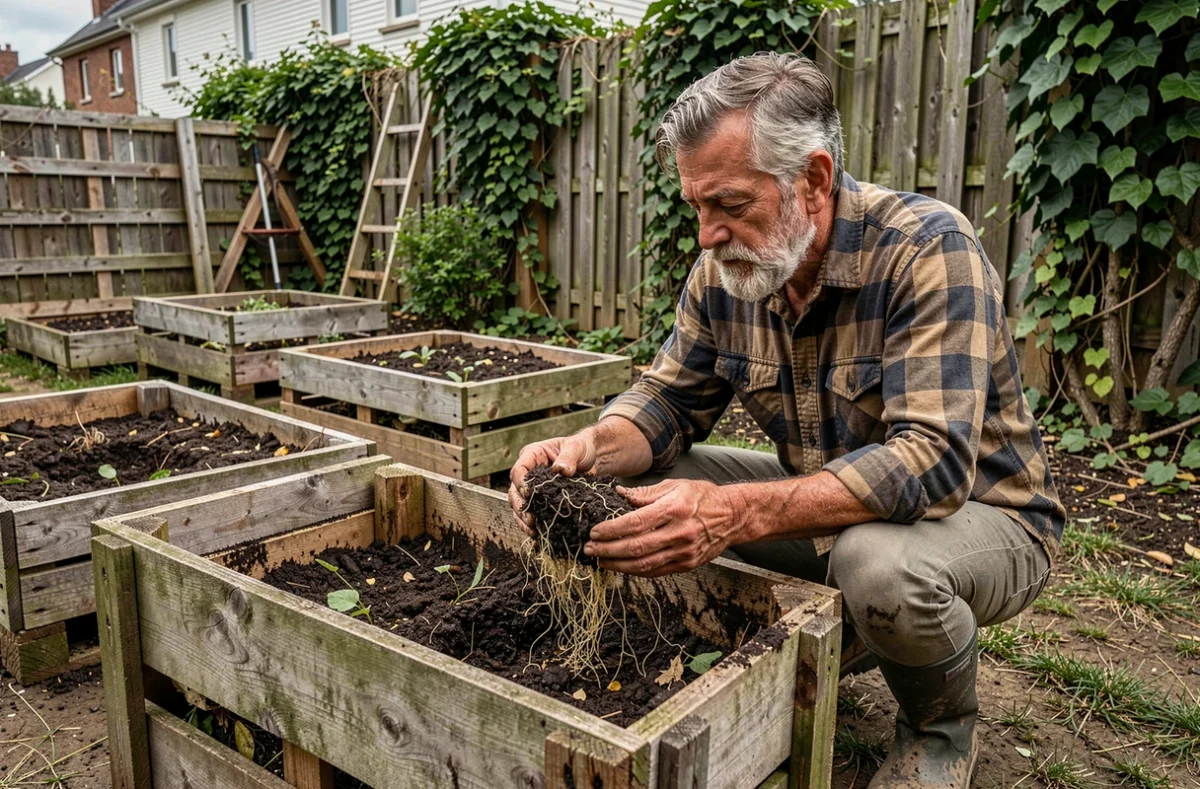
Market gardening on living soil: field reports from Normandy
At Ferme du Thenney in Normandy, crops can grow without summer watering after planting thanks to a thick mulch and permanent cover crops. The soil is barely disturbed. This approach offers a practical illustration of what “living soil” means day to day: soil that is kept covered retains water and feeds underground wildlife.
The results are not always the same. On some clay soils, thick mulch encourages slugs and makes it harder for the soil to warm up in spring. Poorly chosen cover crops can also harbour pests that later move on to the crops.
This report from Normandy highlights a reality rarely mentioned in natural gardening guides: living soil does not eliminate challenges; it shifts them. Chemical weed control is replaced by careful management of mulch, crop rotation and cover crop selection. On heavy clay soil, switching to no-till takes several growing seasons of adjustment before producing consistent results.
CNRS’s SolsVivants programme: how research is changing things for gardeners
The CNRS is running the SolsVivants programme to study interactions between soil organisms, agricultural practices and climate. One finding stands out: the number of species in a soil is not enough to predict how it functions. Two plots with the same number of earthworm species can have very different water-retention capacities.
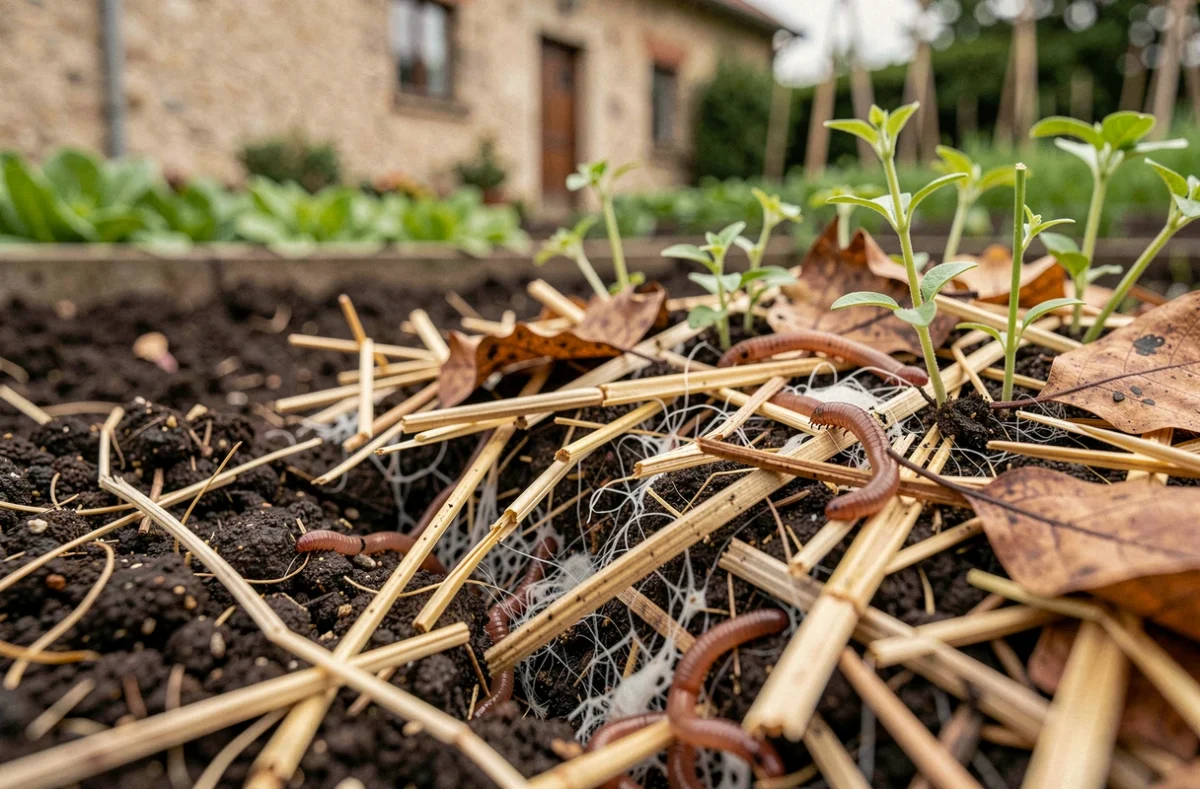
For gardeners, this has a direct practical implication. Counting earthworms in your plot—a commonly recommended practice—provides only a partial picture. What matters more is functional diversity: the presence of anecic earthworms (which dig deep vertical burrows), endogeic earthworms (which work deeper in the soil) and epigeic earthworms (which break down organic matter at the surface).
In practical terms, garden soil with plenty of epigeic earthworms under the mulch but few anecic earthworms will break down surface material well, but drain poorly at depth. Regularly examining the soil profile by digging a thirty-centimetre hole at the start of each season provides more useful information than simply counting earthworms at the surface.
Living soil regulations: wetlands and the new framework for compost
An order published in May 2025 restricts fill, new drainage networks and repeated ploughing of permanent grassland in wetlands and peatlands. For gardens on the edges of these areas—a common situation in river valleys and some peri-urban locations—deep ploughing may now be subject to inspection.
Meanwhile, new regulations on compost and digestate are expected in 2027. They will change the quality criteria for compost distributed by local authorities. Contracts between local authorities and food-waste treatment providers will have to incorporate the new standards.
For gardeners who receive local compost, these regulatory changes should eventually improve the traceability and quality of the product delivered. Until 2027, manual checks remain the only reliable safeguard. That means going back to the smell, texture and temperature checks mentioned above.
Soil biodiversity in a natural garden: what to do this autumn
Autumn is when soil life prepares for the following spring. Three practical steps can support biological activity without disturbing the existing balance:
- Cover bare soil with a mulch of shredded dead leaves or hay, about ten centimetres thick. Whole leaves form dense clumps that suffocate the soil.
- Sow a winter cover crop (mustard, phacelia or rye) on cleared beds. The roots maintain soil structure and feed mycorrhizal fungi through the winter.
- Leave the dry stems of perennials in place until spring. They provide shelter for beneficial insects and protect the crowns from frost.
Soil that is covered and left undisturbed in autumn gets going faster in spring than soil left bare or dug over. You can see the difference when crops start growing: the first seeds germinate more evenly when soil life has been able to work uninterrupted through the winter.
Natural gardening and living soils are gaining ground in France as field reports accumulate and research deepens our understanding. The next concrete milestone is the 2027 compost regulation, which should clarify what gardeners can expect from local food-waste processing schemes.