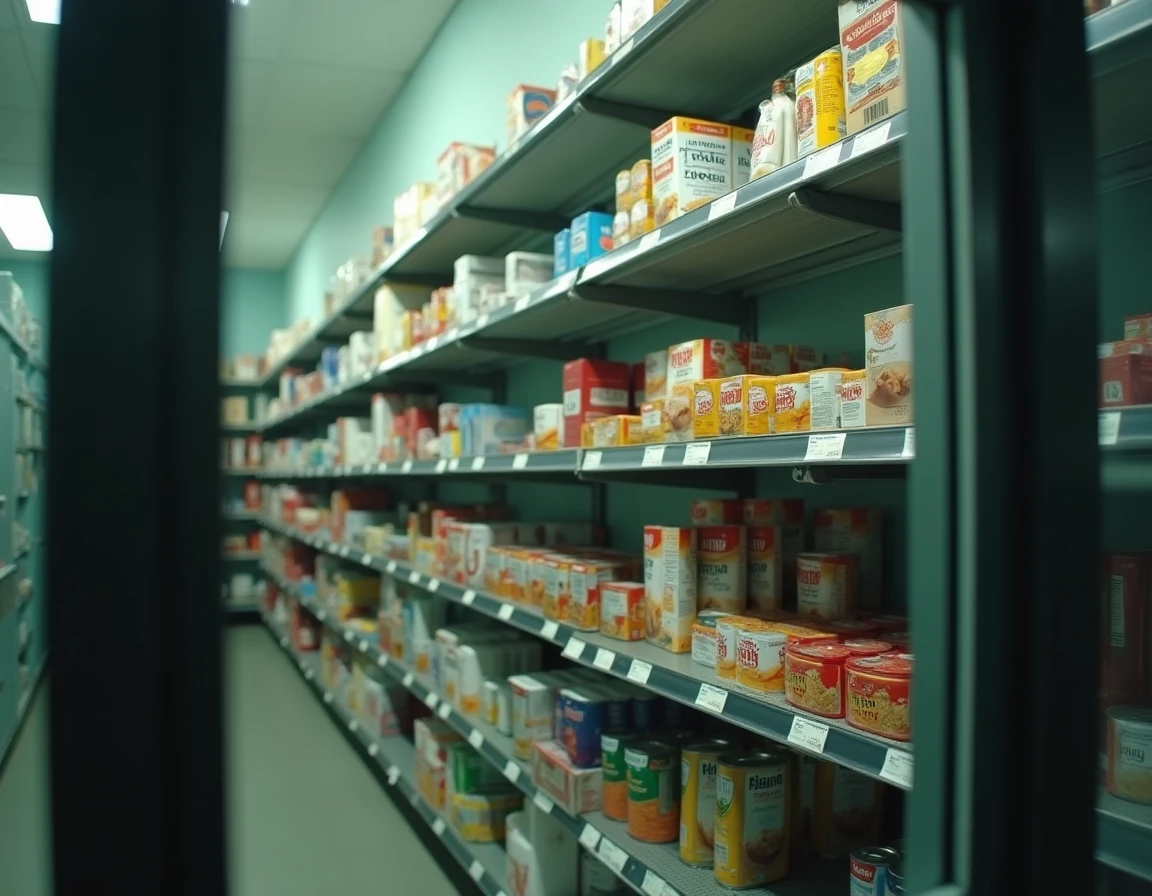
In detention, buying a packet of coffee, shower gel, or pasta goes through a unique system: the prison canteen. This product catalog, managed by private providers under the control of the administration, constitutes the main lever of consumption for incarcerated individuals. The prices vary from one establishment to another, and recent increases raise questions about the real purchasing power behind bars.
Private providers and margins: how prison canteen prices are set
The functioning of the canteen relies on a public market awarded to private companies. Sodexo, Elior, or other operators share the management according to the prison establishments. Each change of provider can lead to a complete overhaul of the catalog and prices.
The example documented by the International Prison Observatory in the prisons of Auvergne-Rhône-Alpes illustrates the mechanism. In Saint-Quentin-Fallavier, Villefranche-sur-Saône, and Aiton, the switch from Sodexo to Elior in October 2022 caused sometimes spectacular price increases.
The case of coffee has become emblematic: 250 g of ground coffee went from 1.85 to 6.57 euros, representing an increase of 255%. Elior mentioned a display error and a change in product reference, but the result for the inmates remains the same: a skyrocketing budget.
The percentage margins applied by the providers are regulated, with maximum ceilings. In practice, understanding the price of the canteen in prison requires cross-referencing supplier costs, the authorized margin, and the logistical expenses specific to each site. Local contracts allow for some latitude, which explains why the same product does not cost the same from one prison to another.

Disparities between prison establishments: a variable basket
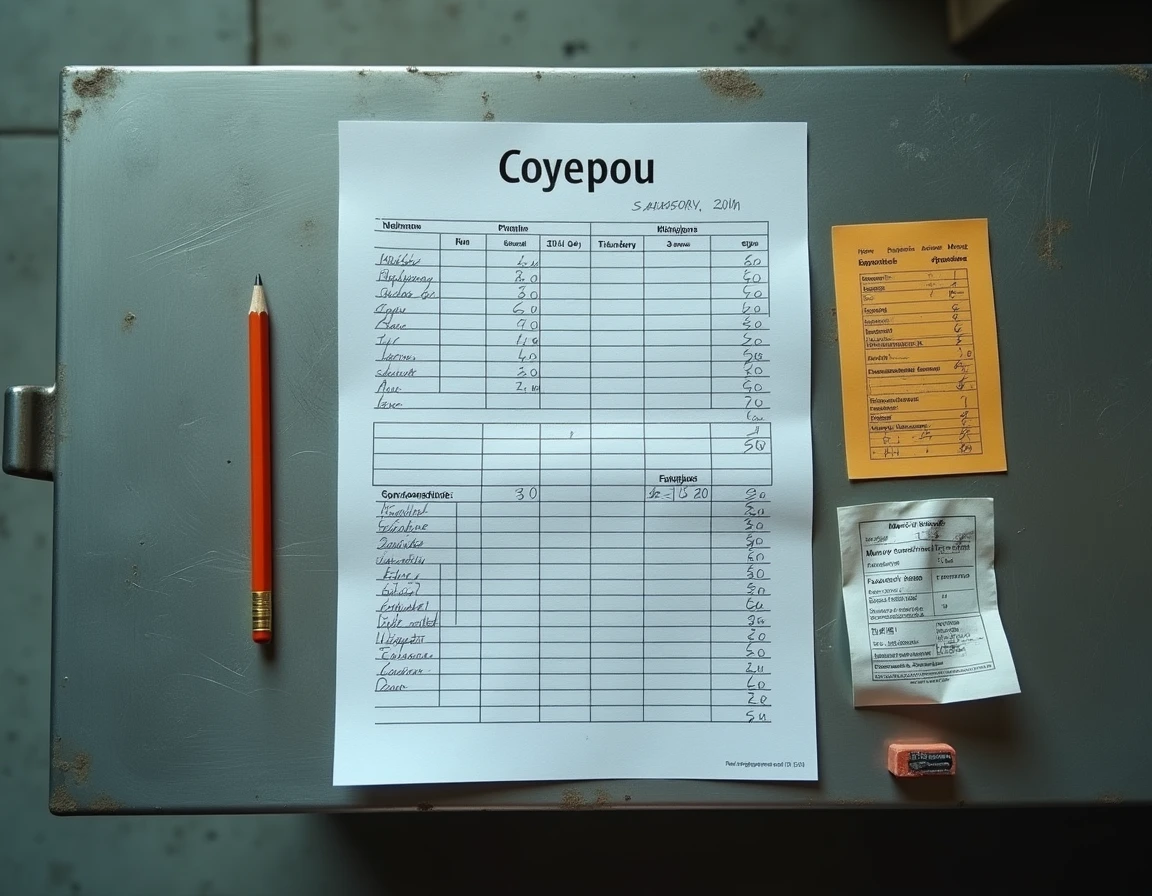
Two inmates serving the same sentence in two different prisons do not pay the same price for an identical basket. Comparisons of canteen lists (packet of pasta, coffee, shower gel) show notable discrepancies depending on the establishments. This reality is now documented in the form of comparative tables.
Several factors explain these disparities:
- The chosen provider and the conditions negotiated in the local public market, which determine the margins applied on each category of products.
- The size of the establishment: a large prison center benefits from volume effects that a small detention center does not.
- The presence or absence of budget alternatives in the catalog. Some providers only offer national brands, without an economic option.
The absence of a national reference for maximum prices per product leaves the field open for these variations. Two inmates do not pay the same amount for an identical basket, without this difference being based on a transparent logic.
Real budget of inmates: between prison work and support from relatives
To shop at the canteen, one needs money in their personal account. Resources come from three main sources: work in detention, money orders sent by relatives, and, for the most vulnerable, occasional assistance.
The remuneration for prison work remains very low. Salaries range from 25% to 45% of the minimum wage, and only a minority of inmates (about 30%) have access to it. The rest largely depends on families, who also bear the costs of visits and high telephone rates.
In addition to these canteen expenses, there are fixed, unavoidable costs:
- The rental of a television, charged at around 14 euros per month.
- The rental of a refrigerator, at about 7.50 euros per month.
- Telephone calls, which remain significantly more expensive than those outside.
The remaining amount after these deductions is often negligible. Individuals without family support and without access to work find themselves unable to shop at the canteen beyond the basic hygiene products provided by the administration.
The impact of inflation since 2022
Price increases in detention have followed, or even exceeded, the general inflation observed on food and hygiene products between 2022 and 2024. Indexed contracts mechanically pass on the increases, while inmates have no negotiating power or possibility to change providers.
The revaluation of prison work remuneration has only partially compensated for this rise in the cost of living in detention. The gap between available income and catalog prices has widened, making the canteen less accessible for the most vulnerable inmates.
Recourse and contestation of canteen prices: what rights do inmates have
Incarcerated individuals have avenues for recourse against prices they consider abusive. The regulatory framework sets minimum obligations for the prison administration regarding the canteen, with capped margin percentages.
In practice, contesting a price requires submitting a request to the head of the establishment, who can forward it to the provider. The available data does not allow for conclusions about the real effectiveness of these procedures: feedback from the field varies from one establishment to another, and few inmates have the necessary information to initiate a process.
The International Prison Observatory regularly documents these situations and raises alerts about unjustified increases. Transparency regarding price formation remains an open issue, especially since canteen catalogs are not public and comparisons between establishments rely on associative work rather than systematic institutional oversight.
The cost of the canteen in prison is not just a list of prices. It reflects a system where private management, the absence of consumer competition, and low incomes in detention combine to create a captive economy. As long as prices remain opaque and variable from one site to another, the question of inmates’ daily budgets will remain a blind spot in the debate on detention conditions.